Technique cards. All inside Rolin.
Each card covers one piece of film language: what it is, when to use it, when not to, what it gets confused with, how to fix common generation mistakes, and a prompt you can copy.
143 CARDSShot size
How large the subject is in frame decides how close the audience feels.
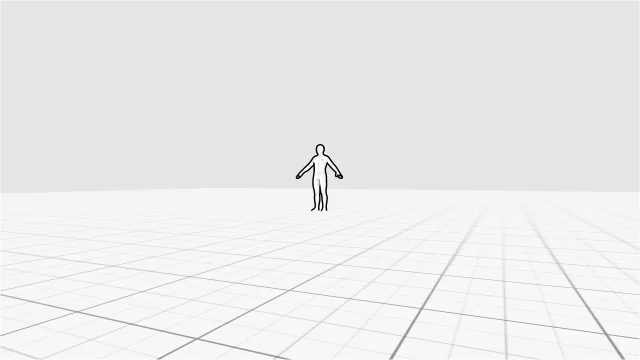
Extreme wide shotEWS
The figure is a speck; landscape, city or sky fills the frame.
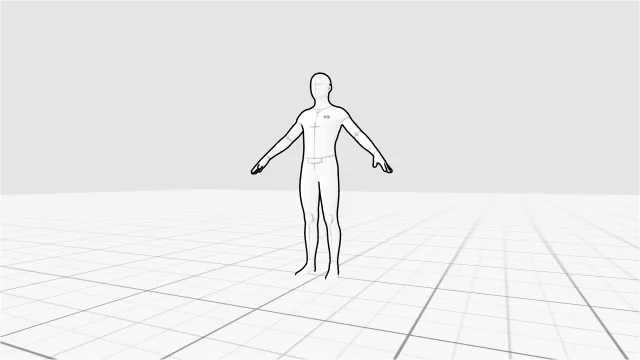
Long shotLS
The full figure is visible but small; the environment dominates.
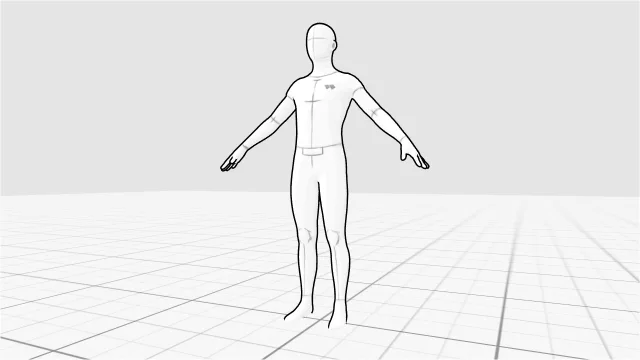
Full shotFS
Head to toe, the figure roughly fills the frame height.
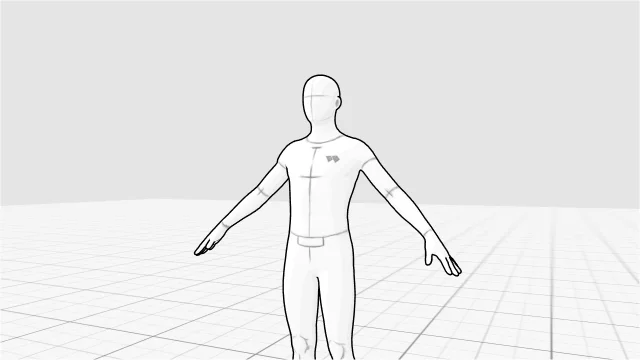
Medium long shotMLS
Framed from around the knees up.
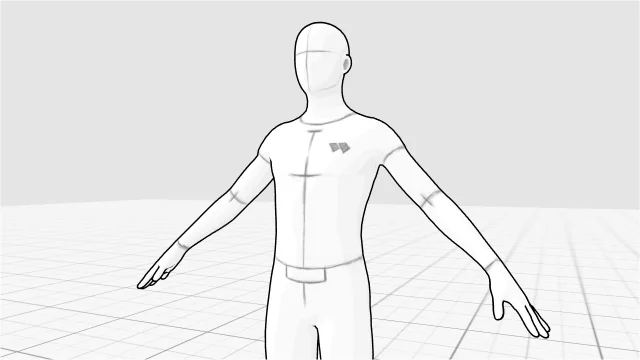
Medium shotMS
Waist up; the upper body and gestures read clearly.
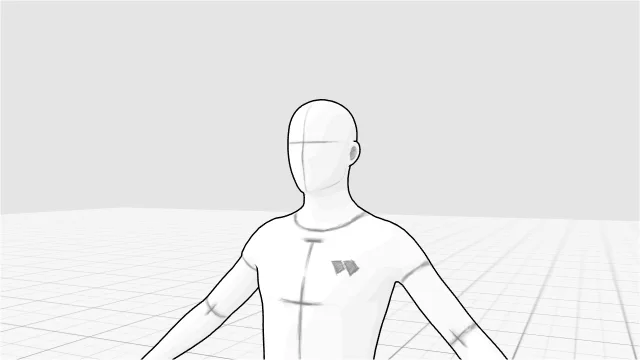
Medium close-upMCU
Chest up; the face dominates with the shoulders in frame.
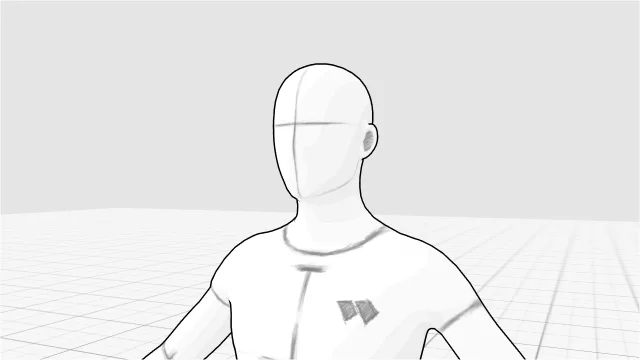
Close-upCU
The face, or one object, fills the frame.
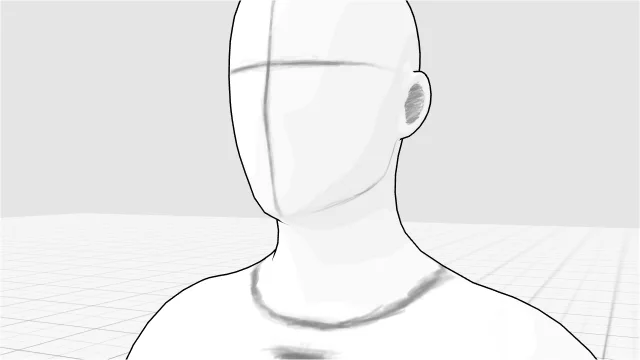
Extreme close-upECU
Only a detail: the eyes, lips, fingers or part of an object.
Camera movement
Push, pull, pan, track, crane and orbit: how the camera moves is how the story is told.
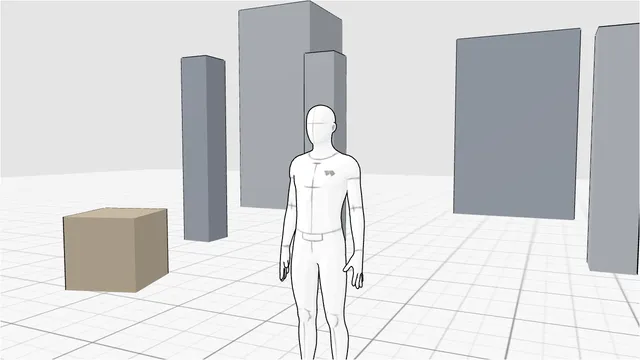
Static
Camera and lens stay put; only the scene moves.
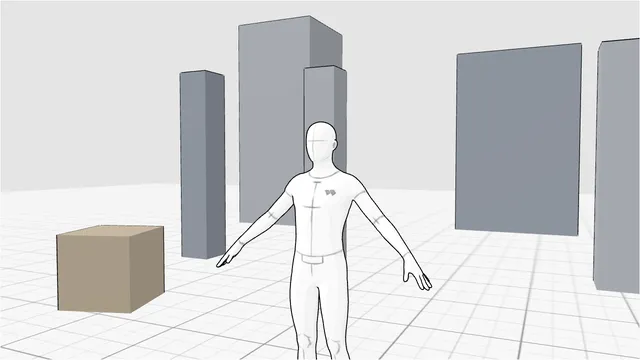
Push in
The camera moves toward the subject; it grows and the perspective shifts.
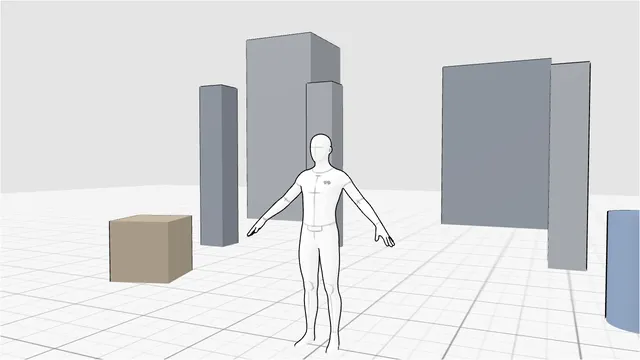
Pull out
The camera moves away from the subject, revealing the surroundings.
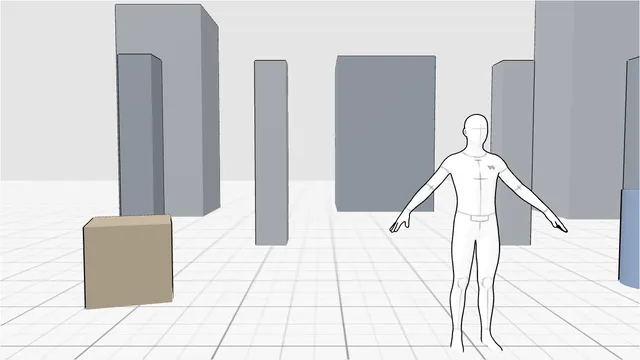
Truck
The camera slides sideways, creating parallax between foreground and background.
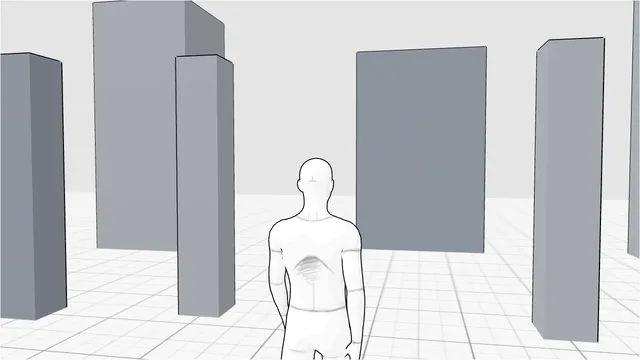
Follow
The camera travels with the subject at a roughly constant distance, from front, back or side.
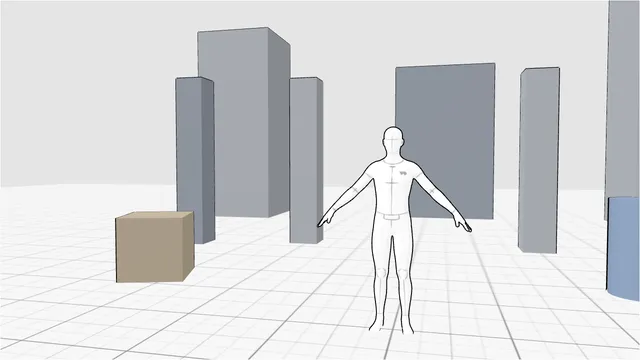
Pan
The camera stays in place and turns horizontally.
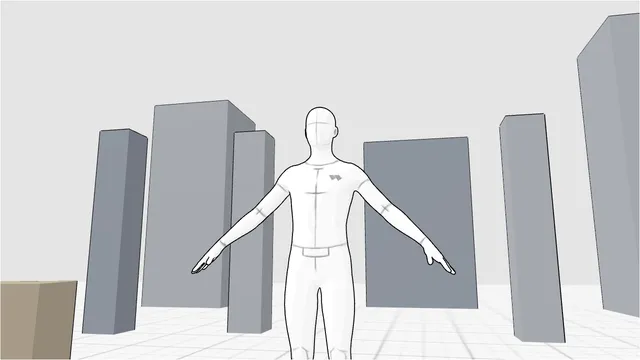
Tilt
The camera stays in place and turns vertically.
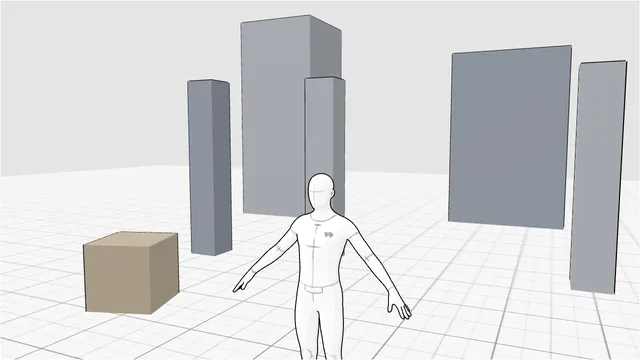
Pedestal
The whole camera rises or lowers vertically, keeping its angle.
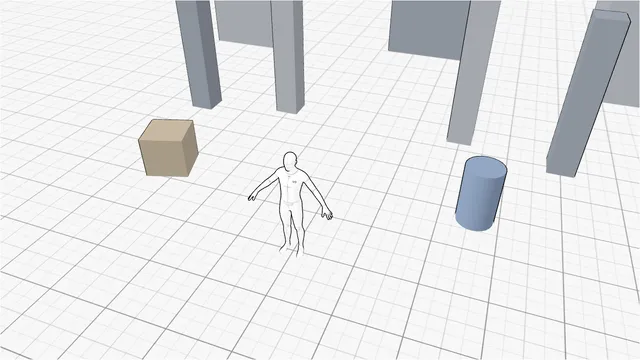
Crane
A crane carries the camera through a large rise or fall, usually with a tilt.
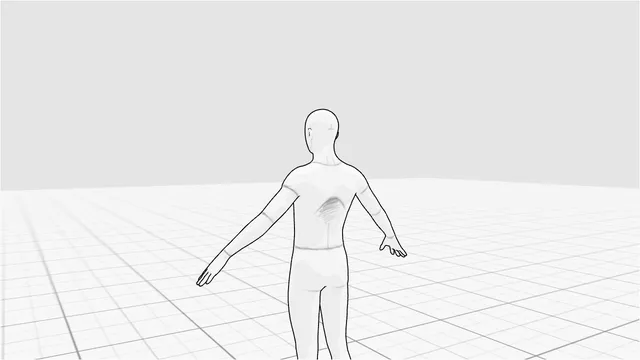
Orbit
The camera circles the subject, keeping it centred.
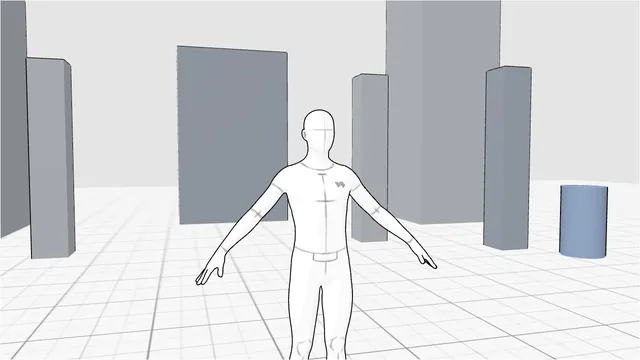
Arc
The camera travels along part of a curve around the subject.
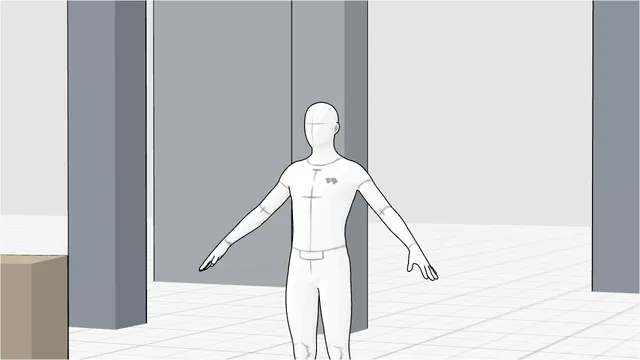
Zoom
The camera stays put while the focal length enlarges or shrinks the image; perspective does not change.
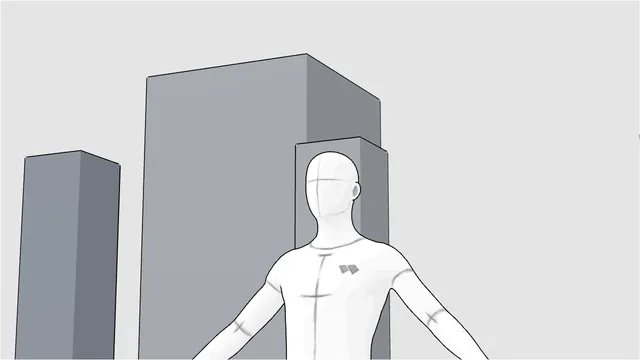
Dolly zoom
The camera dollies one way while the lens zooms the other; the subject holds its size while the background stretches or compresses.
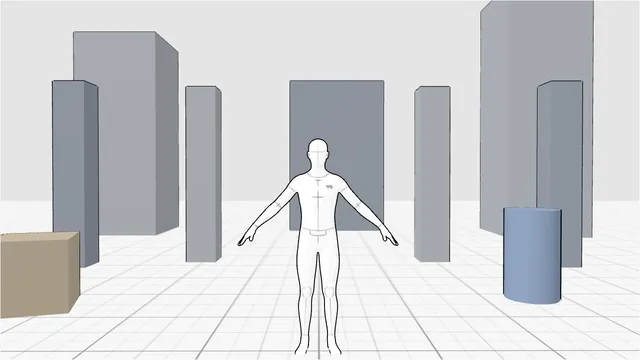
Whip pan
An extremely fast pan with strong directional motion blur in the middle.
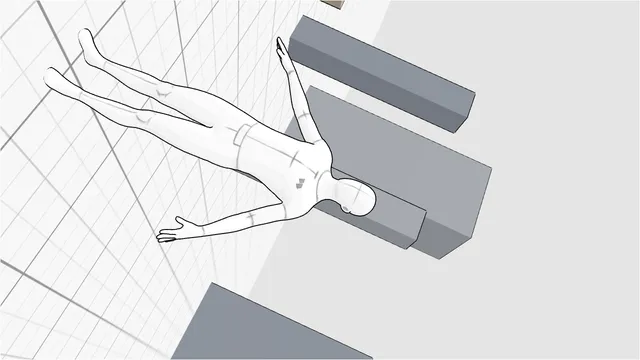
Roll
The camera rotates around its lens axis and the horizon spins.
Camera position
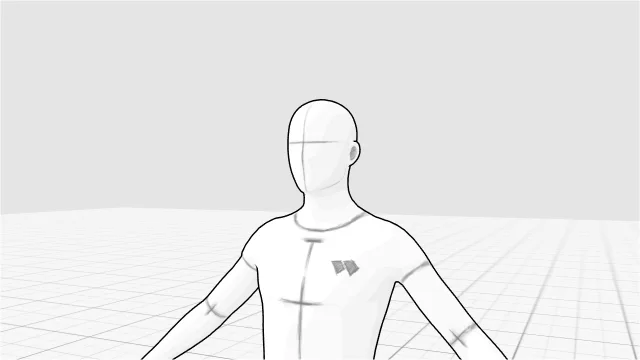
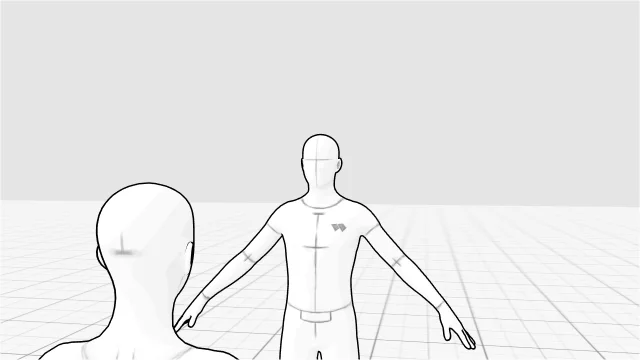
Height, angle, roll, point of view and over-the-shoulder decide where the audience watches from.
Camera height
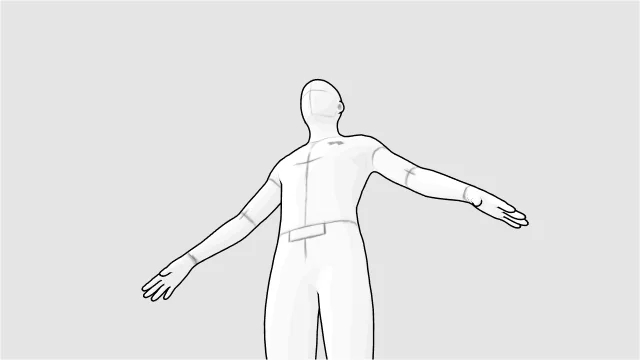
Ground level
The lens sits just above the floor, a few centimetres to a few dozen off the ground.
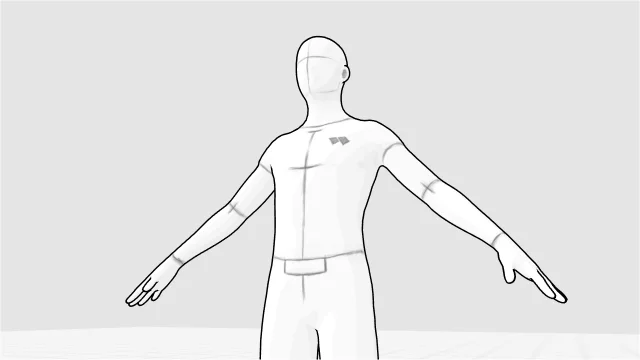
Low camera
The lens sits below the subject's eye line, roughly waist to chest height.
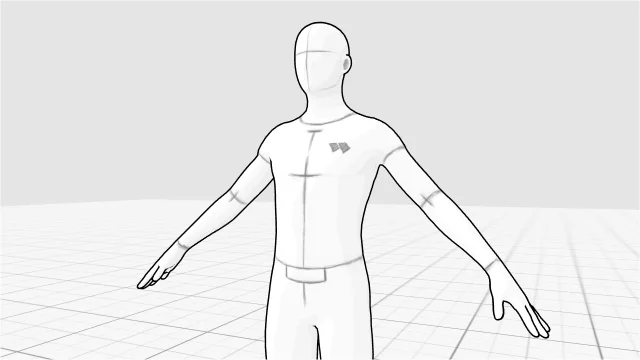
Eye level
The lens is level with the subject's eyes, the height we normally see people from.
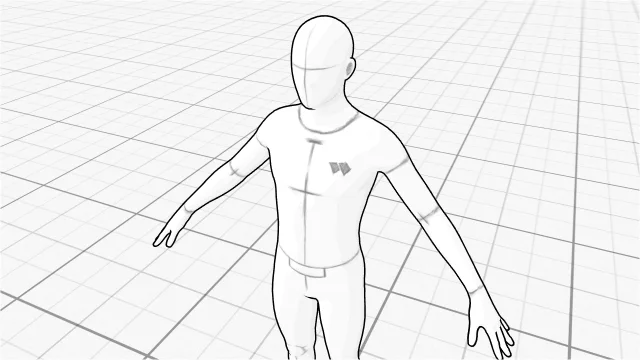
High camera
The lens is above the subject's head, looking from above.
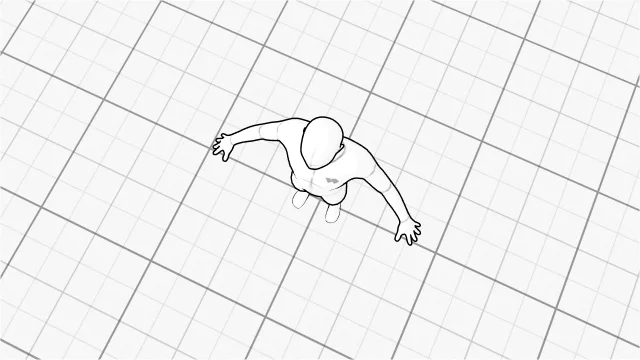
Overhead
The camera hangs directly above the subject, usually with a top-down angle.
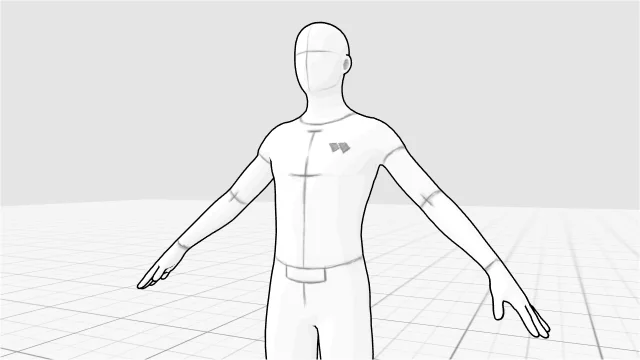
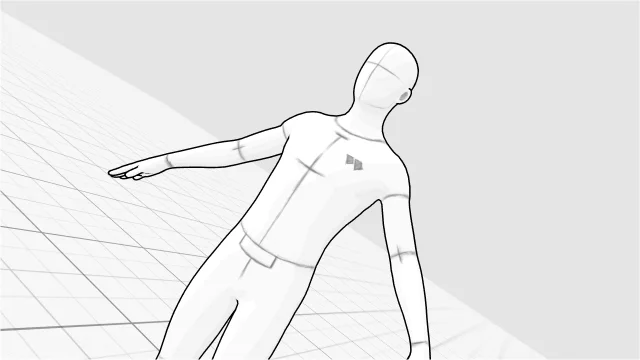
Angle
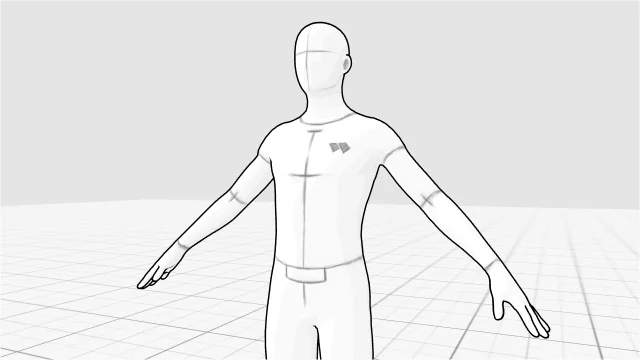
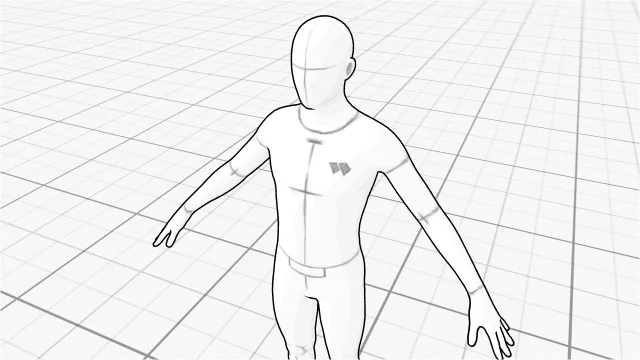
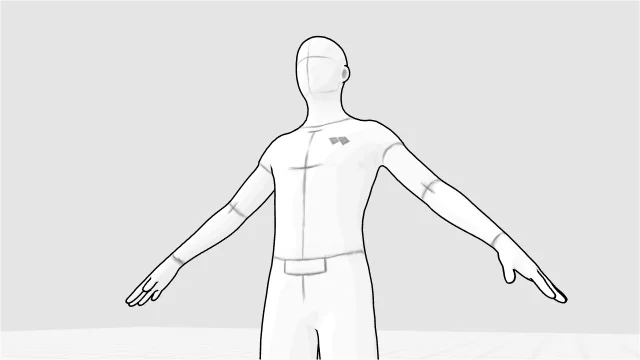
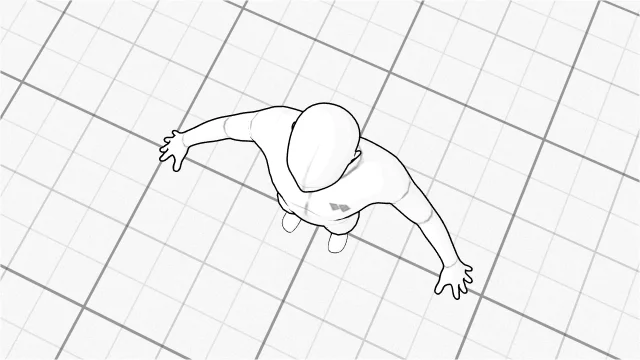
Horizon
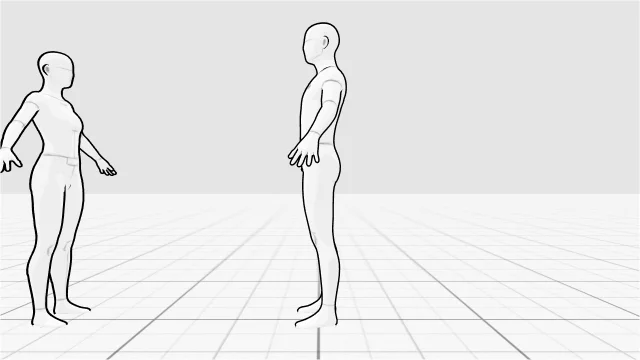
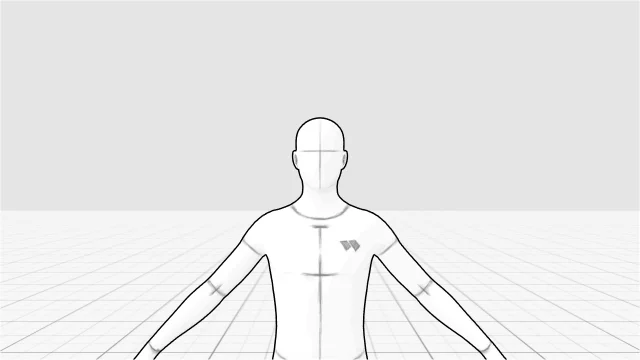
Viewpoint
Camera rig
Tripod, handheld, gimbal, dolly, drone: what holds the camera shapes the feel of the image.
Support
Tripod
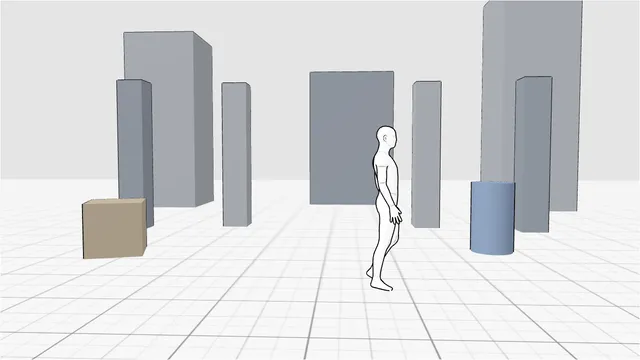
The camera is locked on a tripod and does not shake.
Handheld
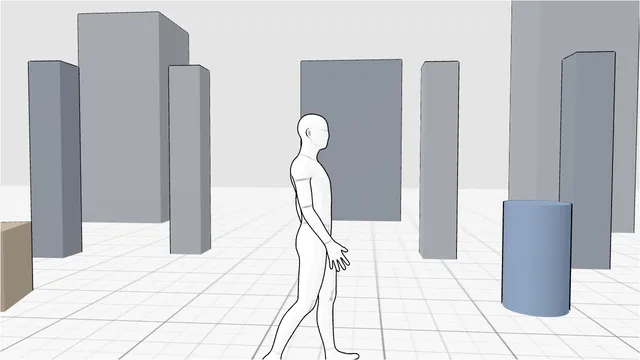
The operator holds the camera by hand, so the image carries a natural shake.
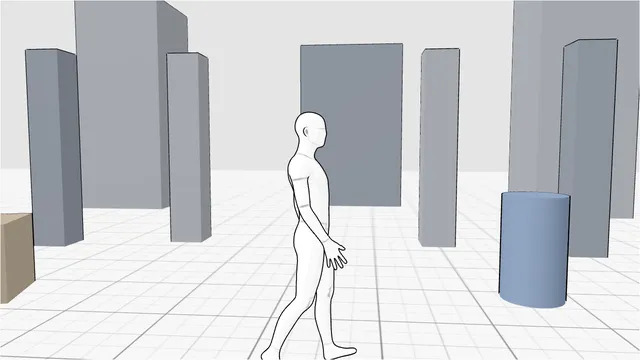
Shoulder rig
The camera rests on the operator's shoulder: steadier than handheld but still breathing.
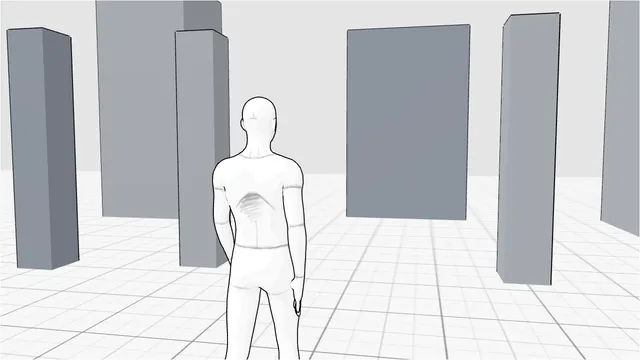
Gimbal
An electronic gimbal or Steadicam absorbs shake so the camera glides smoothly while moving.
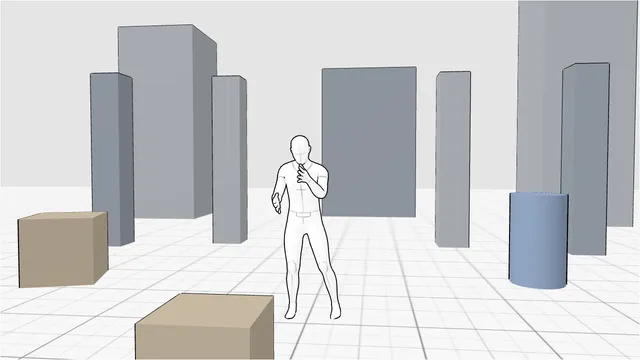
Dolly
The camera rides a dolly on track to push in, pull out or move sideways.
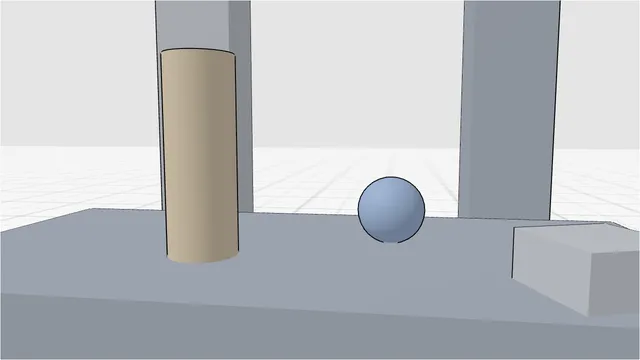
Slider
The camera slides along a short rail, about one to two metres long.
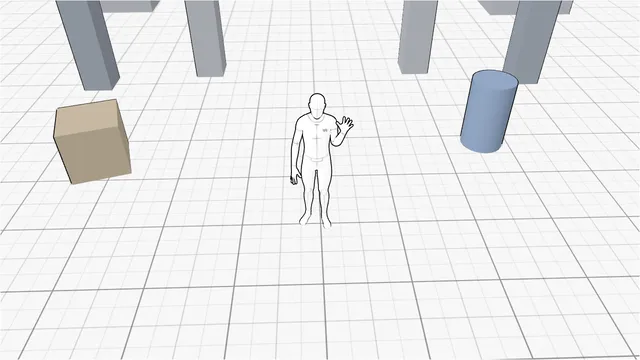
Jib
The camera sits on the end of a jib arm and can rise, fall and sweep in wide arcs.
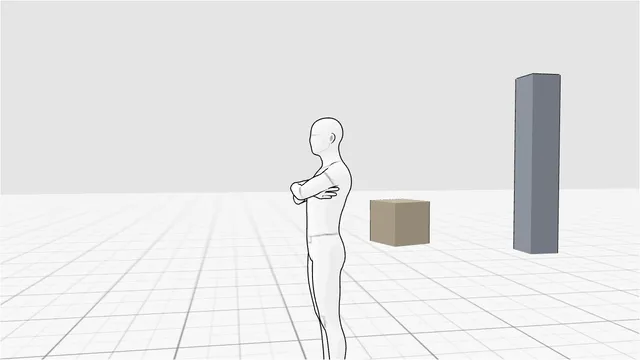
Robotic arm
The camera is mounted on a computer-controlled robotic arm that moves fast and repeats moves exactly.
Platform
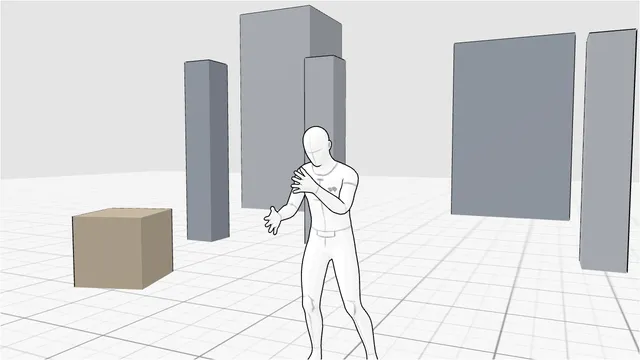
Ground
The camera works from the ground, with no drone, vehicle or cable rig.
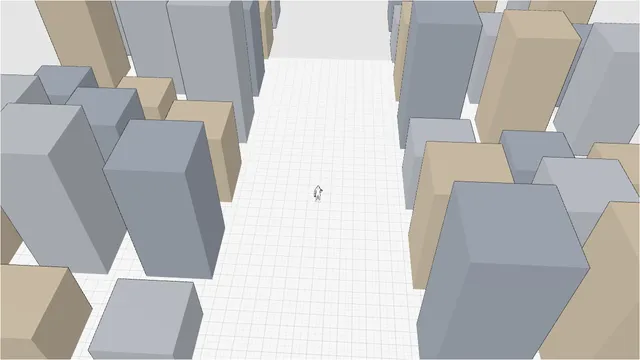
Aerial
Filmed from the air by a drone or helicopter.
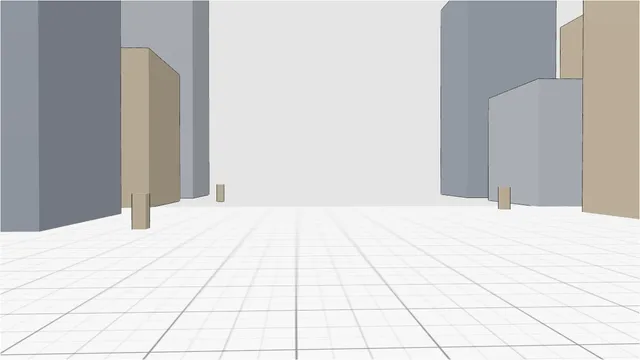
Vehicle
The camera is mounted on a car, motorbike or camera vehicle and moves with it.
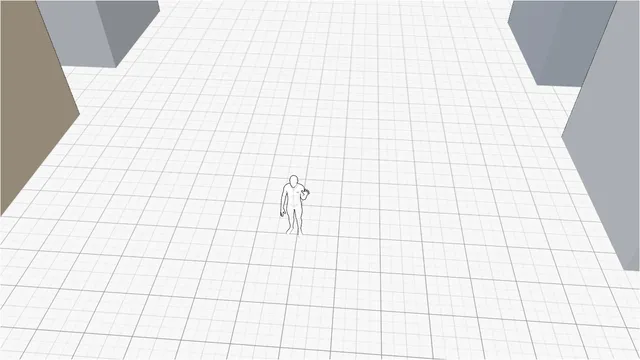
Cable cam
The camera glides along an overhead cable (a cable cam, like the ones over sports stadiums).
Lighting
Where the light comes from, how hard it is and what colour.

Three-point lighting
Key, fill and back light each do one job; the subject reads clean and dimensional.
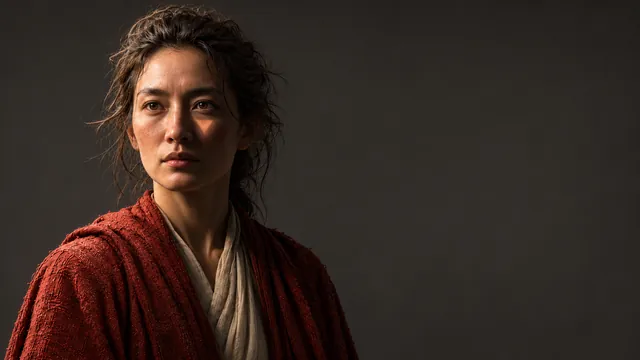
Rembrandt lighting
A high side key leaves a small triangle of light on the shadow-side cheek.
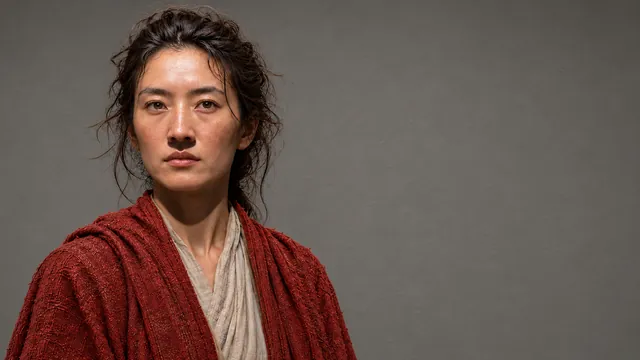
Butterfly lighting
A key placed high and straight in front casts a small butterfly shadow under the nose.

Split lighting
Light from directly to the side; half the face lit, half in shadow.

High-key lighting
Bright overall with few shadows and low contrast.
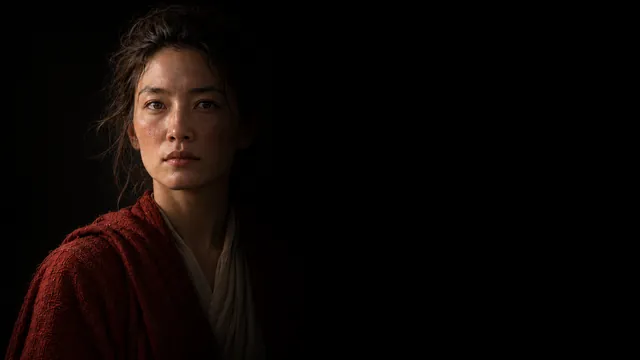
Low-key lighting
Mostly shadow with only key areas lit; strong contrast.
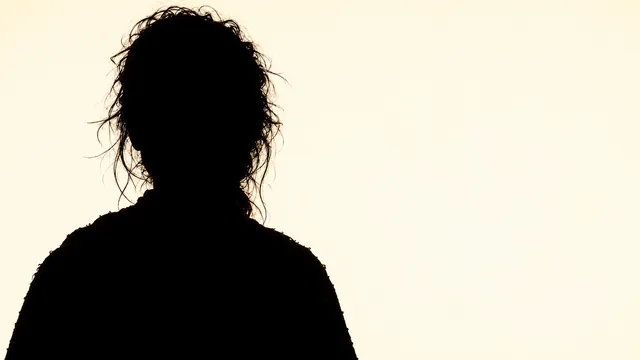
Silhouette
The subject is backed by bright light and reduced to a dark outline.
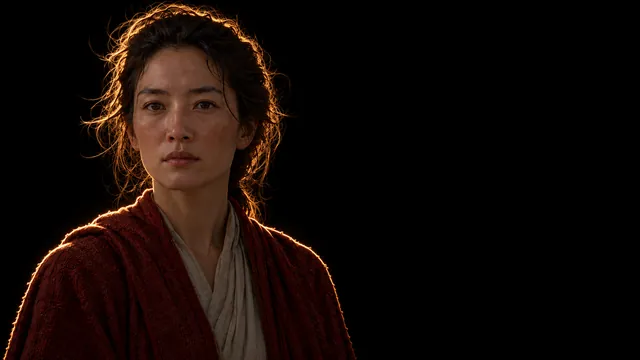
Rim light
Light from behind traces a bright edge along hair and shoulders.
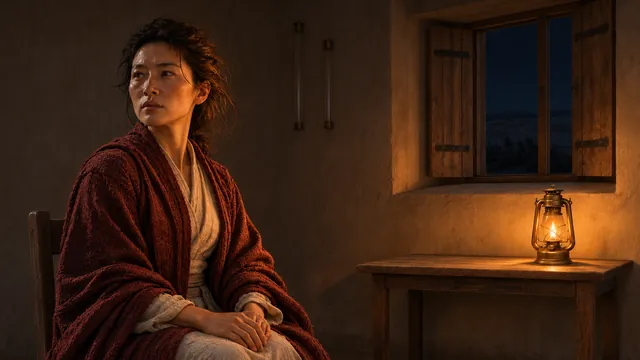
Practical lighting
Light comes from visible sources in frame: lamps, street lights, screens.

Window light
Soft daylight slants in through a window, falling off across the room.

Golden hour
Low warm golden sunlight just after sunrise or before sunset, with long shadows.
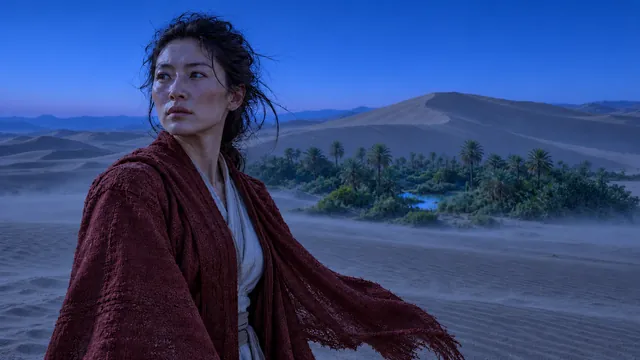
Blue hour
After sunset the sky turns deep blue and city lights begin to glow.
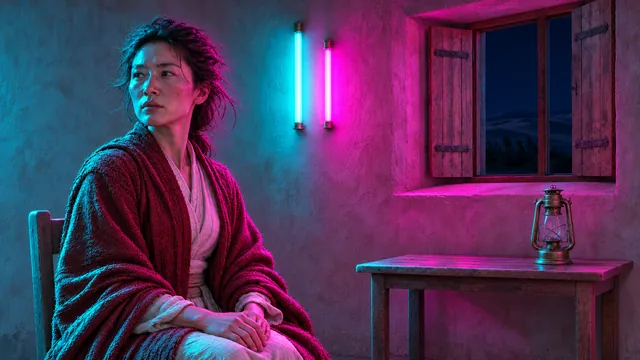
Neon lighting
Saturated pink, blue and purple neon light spills onto faces and wet surfaces.

Volumetric light
Light passes through haze or dust and forms visible beams.
Composition
Thirds, symmetry, leading lines and frames within frames.
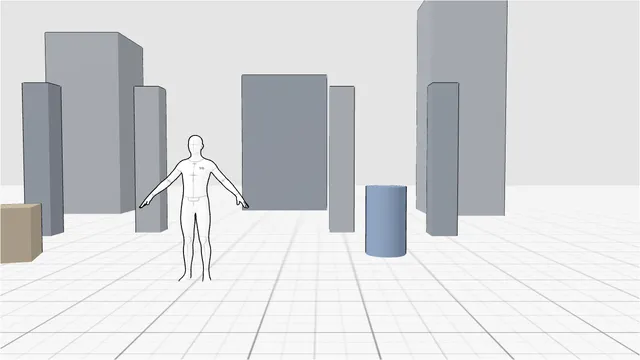
Rule of thirds
Place the subject on a third line or intersection rather than dead center.
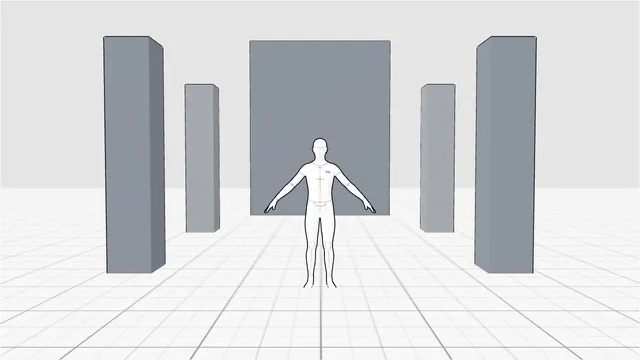
Symmetry
The subject is centered with left and right mirrored.
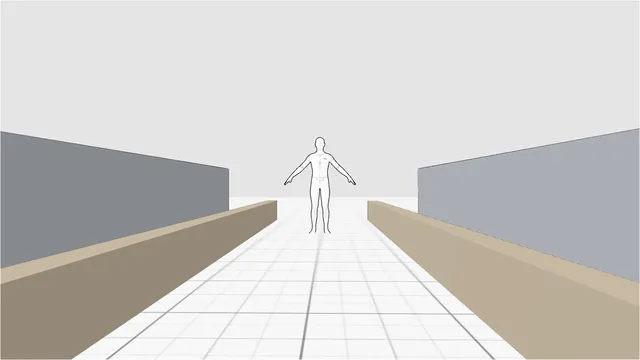
Leading lines
Roads, rails or corridors lead the eye toward the subject.
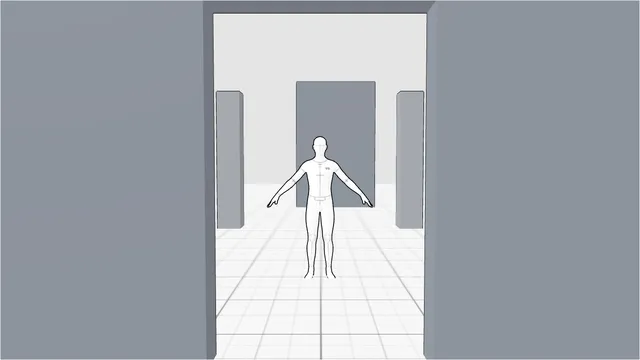
Frame within a frame
The subject is framed again through a door, window or arch.
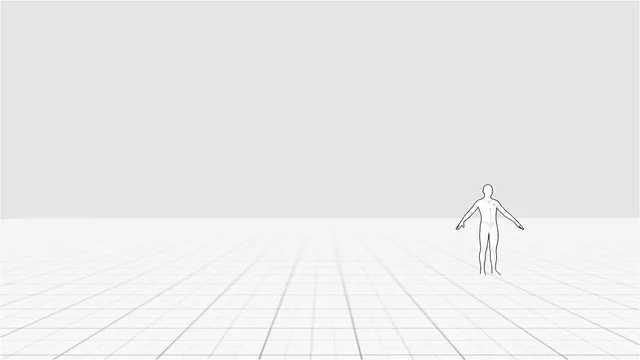
Negative space
The subject is small within large empty sky, wall or water.
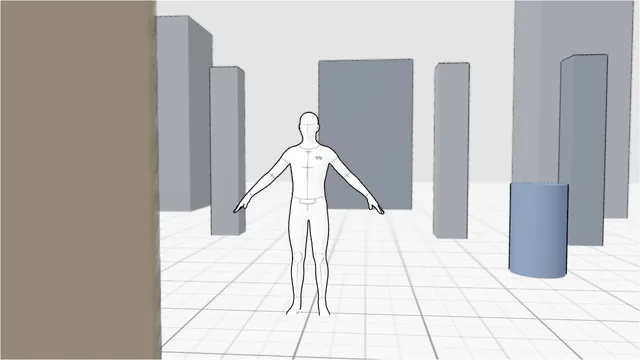
Foreground framing
Out-of-focus objects or a shoulder in the foreground add layers and a peeking feel.
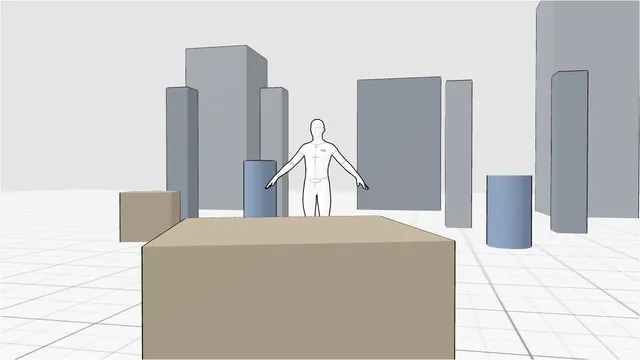
Layered depth
Foreground, midground and background each hold something; the frame has depth.
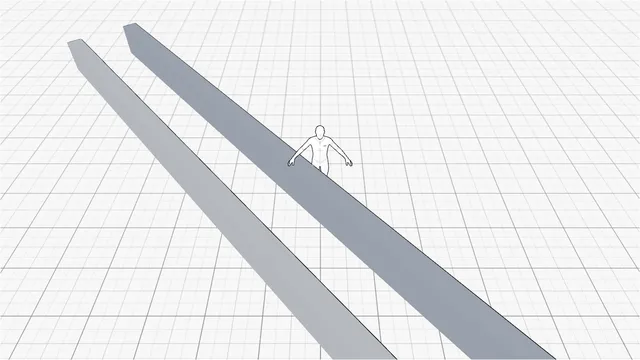
Diagonal composition
Main lines or subjects run along a diagonal for energy.
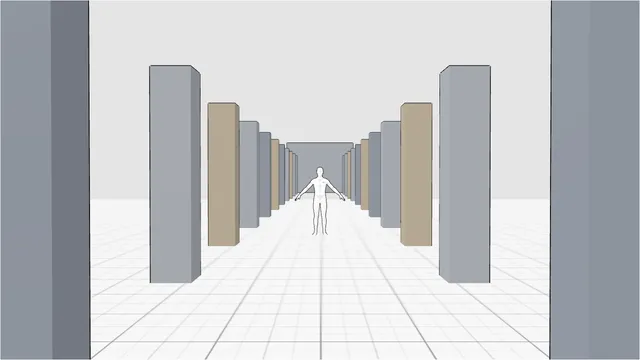
One-point perspective
All lines converge on a single vanishing point at center.
Lens
Focal length and lens type reshape space and the subject.
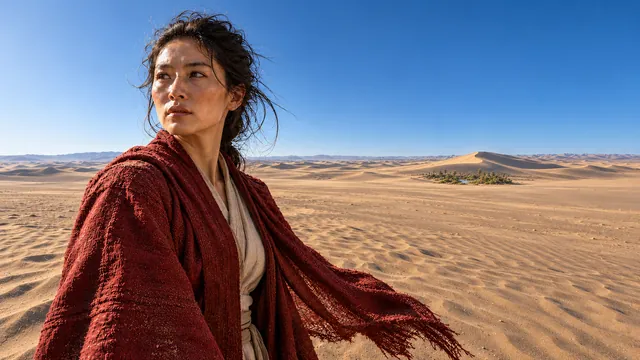
Ultra-wide lens
Around 14mm: extremely wide view with exaggerated near-object distortion.
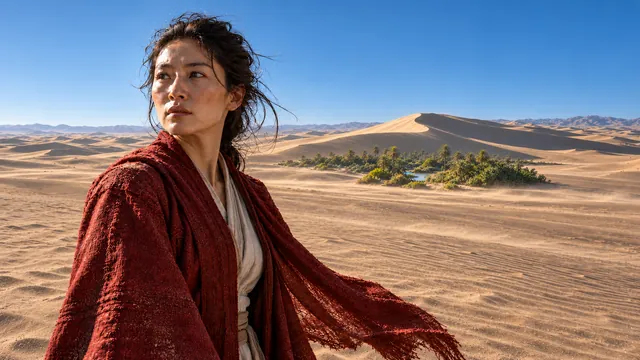
Wide lens
Around 24mm: wide view, strong depth, mild distortion.

Normal lens
Around 50mm: close to human-eye perspective, natural.

Portrait lens
Around 85mm: flattering facial proportions and soft background blur.

Telephoto lens
135mm and longer: space compresses and the background stacks behind the subject.
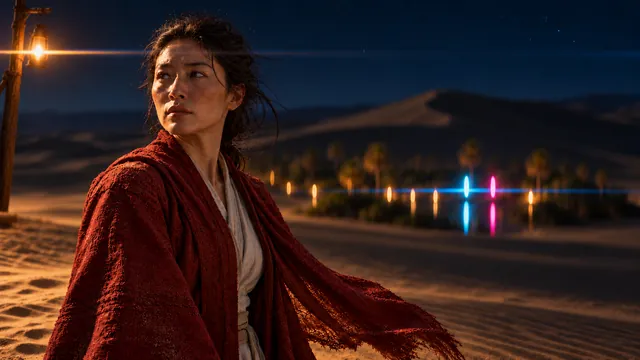
Anamorphic lens
Wide frame, oval bokeh and horizontal blue flares; a cinematic look.
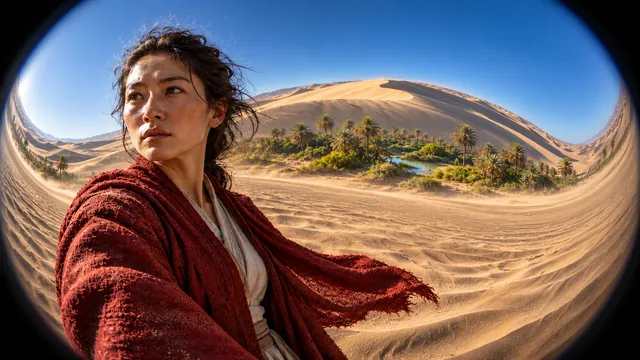
Fisheye lens
Extreme wide angle with curved edges, often circular.
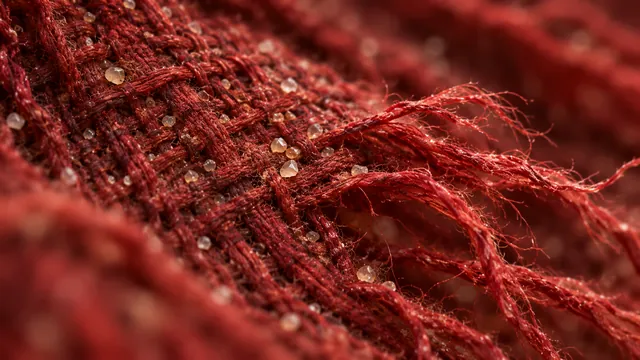
Macro lens
Extremely close on tiny objects; detail magnified, very shallow depth.
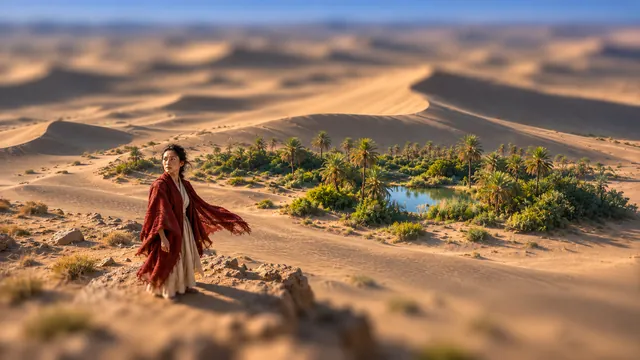
Tilt-shift lens
Only a thin band is sharp; real scenes look like miniatures.

Vintage lens
Soft, low contrast, soft edges, with aberrations and glow.
Optical effects
Depth of field, rack focus, flares and grain.

Shallow focus
Only the subject is sharp; foreground and background blur.

Deep focus
Everything from foreground to background is sharp.

Rack focus
Focus shifts from one subject to another within the shot.

Bokeh
Background lights turn into soft round orbs.

Lens flare
Strong light hits the lens and creates streaks and flares.
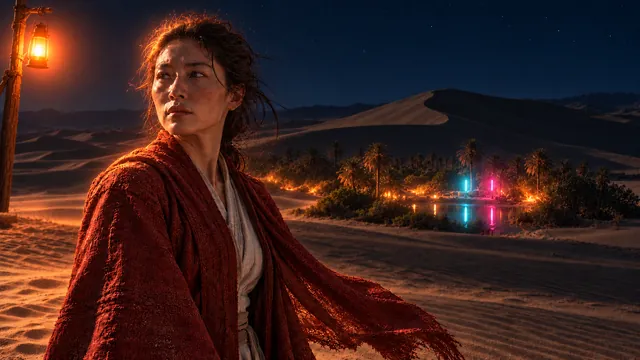
Halation
Highlights bloom with a soft red-orange glow, film-like.
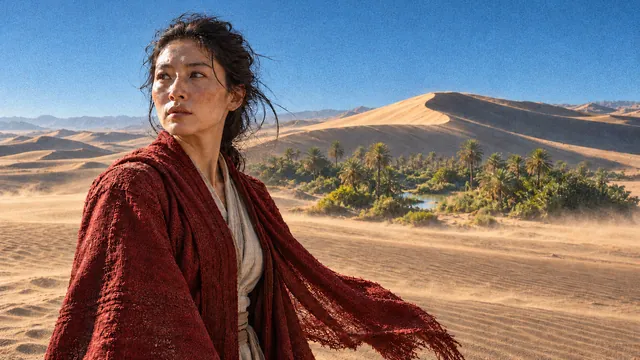
Film grain
Fine film grain across the image.
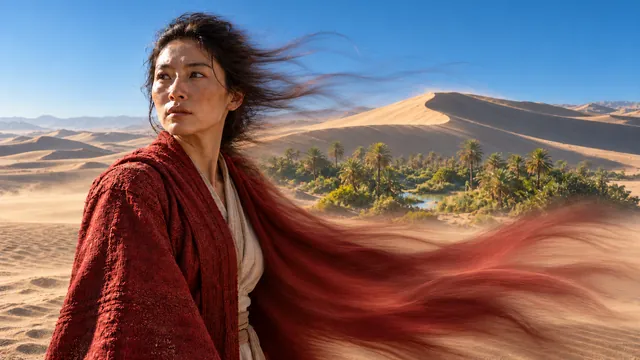
Motion blur
Moving subjects or camera smear into motion trails.

Double exposure
Two images overlaid semi-transparently.

Vignette
Corners darken, drawing the eye to the center.
Transitions
How one shot hands over to the next.
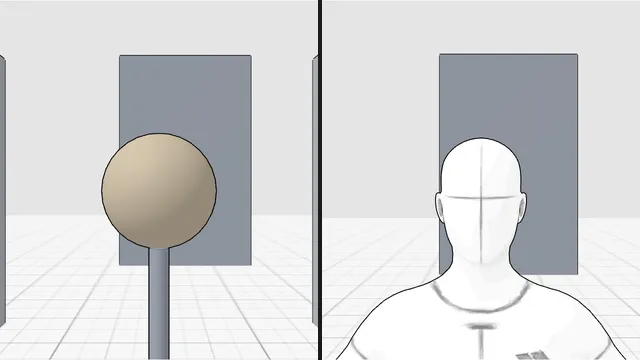
Match cut
Adjacent shots share a shape, composition or motion, so the cut feels like a transformation.
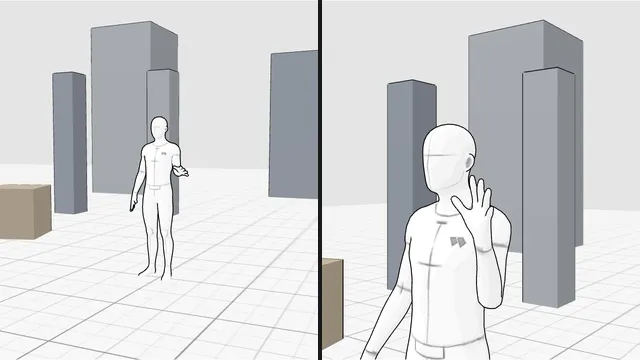
Match on action
Cut mid-action to another angle so the movement continues seamlessly.
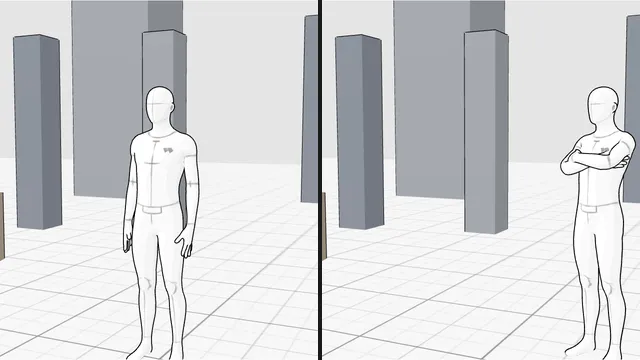
Jump cut
Cut out time within the same framing so the image jumps.
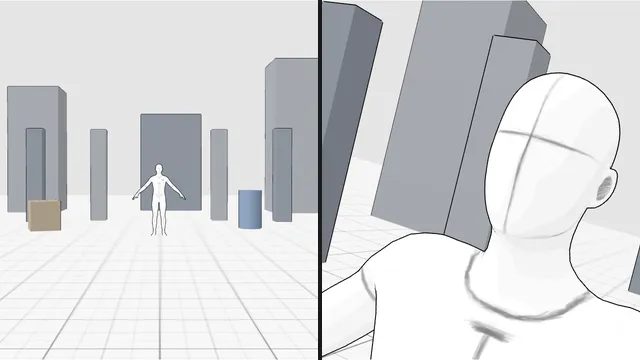
Smash cut
At a peak, cut abruptly to a sharply contrasting image or sound.
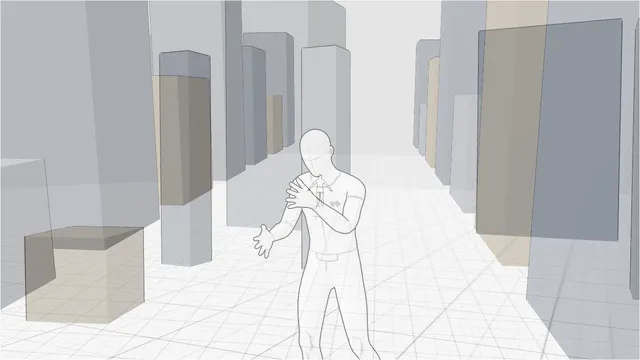
Dissolve
The outgoing shot fades as the incoming one fades in, briefly overlapping.
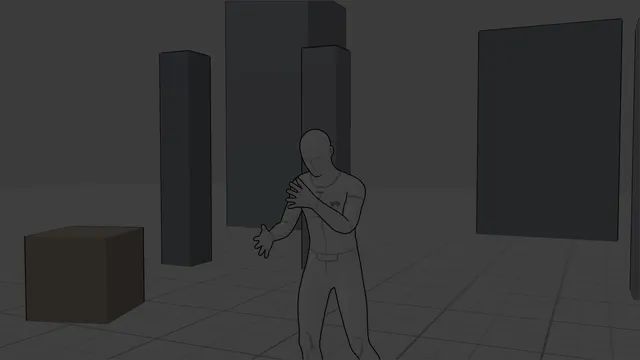
Fade
The image fades to black (or white) before the next shot.
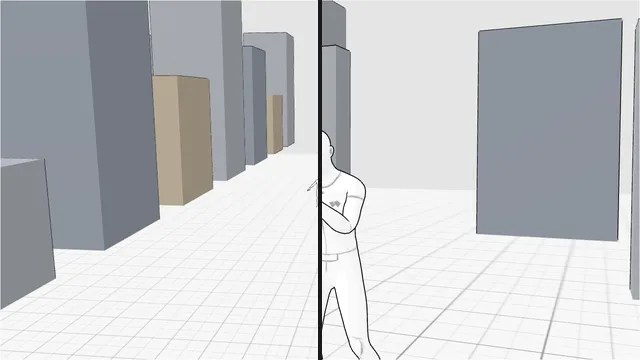
Wipe
The next shot pushes in from one side like a wipe.
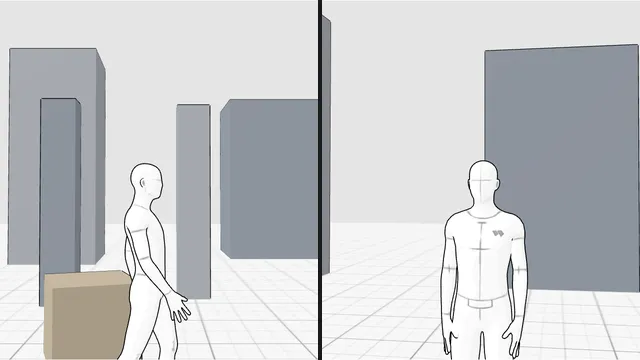
Cross-cutting
Cut back and forth between two simultaneous storylines.
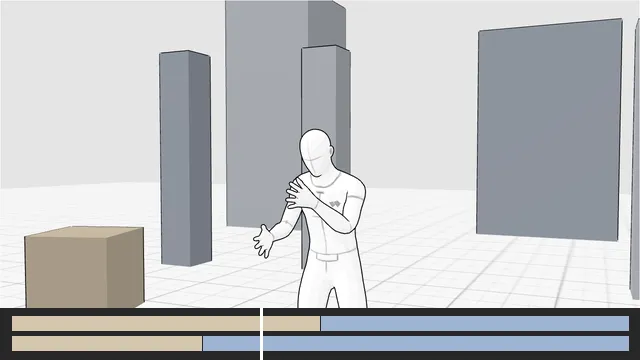
J-cut / L-cut
The next shot's sound arrives early (J) or the previous shot's sound carries over (L).
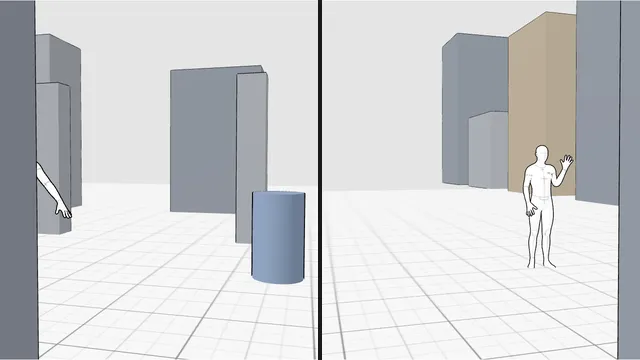
Invisible cut
Hide the cut behind a passing object or body to fake a continuous take.
Film look
Film format, stock and processing: one phrase changes the era and texture.
Film format


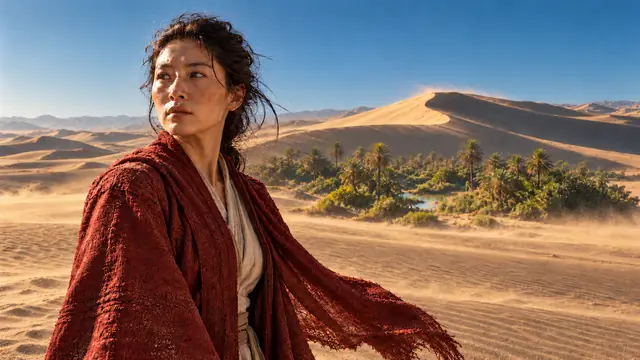

Film stock

Clean digital
Explicitly no film look: clean, neutral, grainless.

Kodak Vision3 50D
Daylight stock with ultra-fine grain and clean colour in bright exteriors.

Kodak Vision3 250D
All-round daylight stock with balanced grain and contrast.
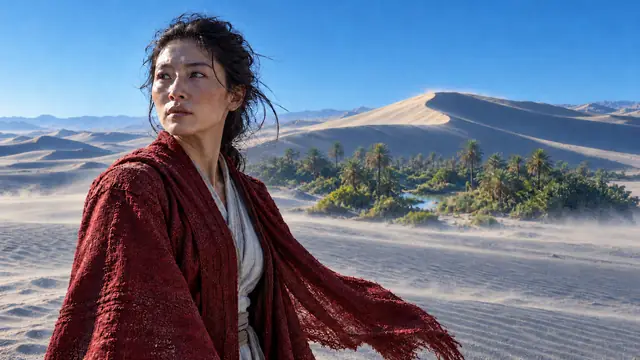
Kodak Vision3 200T
Tungsten stock, finer than 500T, warm interiors.
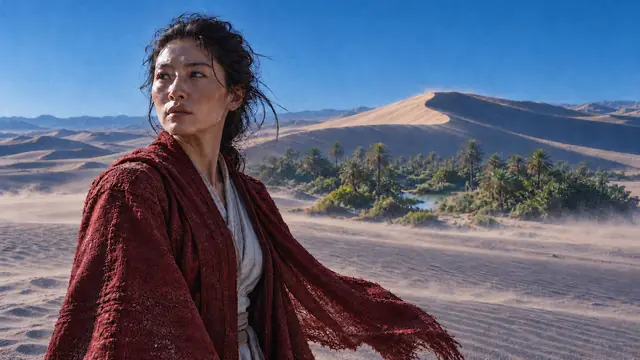
Kodak Vision3 500T
High-speed tungsten stock, the low-light and night workhorse.
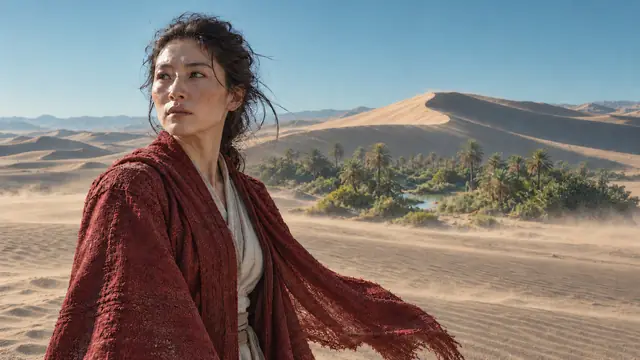
Fujifilm Eterna look
Soft contrast, translucent skin, airy cyan-green cast.

1970s motion picture film look
The warm, muted, grainy look of the Kodak 5247 era.

Ektachrome reversal
High saturation, hard highlights, vivid colour.
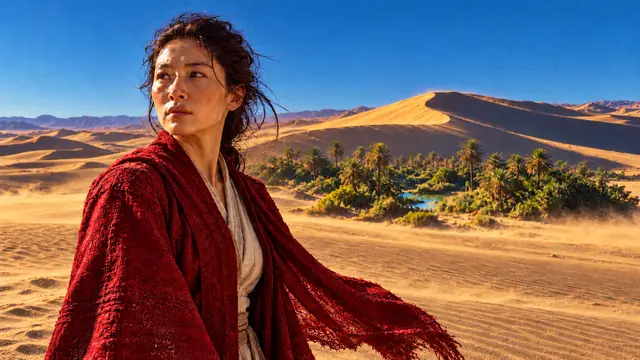
Kodachrome look
Rich reds and yellows with dense shadows: vintage photo and classic Hollywood colour.

Fujifilm Velvia 50
Ultra-saturated, high-contrast landscape slide film.
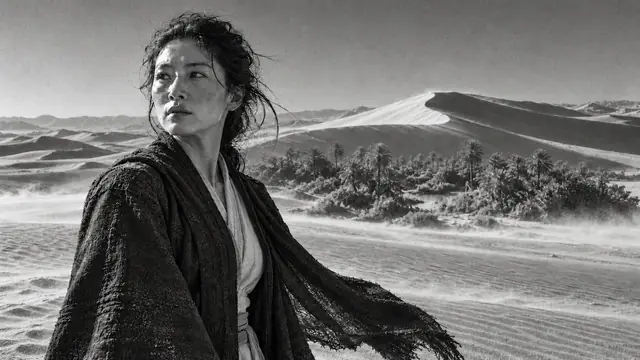
Eastman Double-X black and white
Narrative black and white with rich midtones and soft grain.
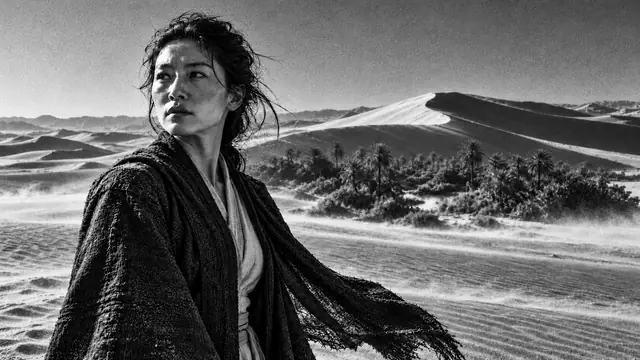
Kodak Tri-X 400
High-contrast, gritty documentary black and white.
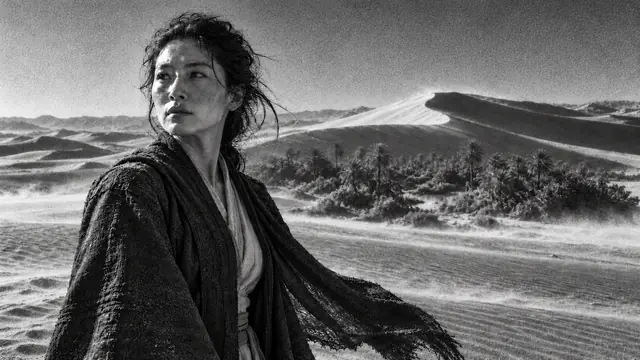
Ilford Delta 3200
Very grainy high-speed black and white.

Kodak Portra 400
Portrait film with soft skin and gentle muted colour.

Kodak Gold 200
Warm, nostalgic everyday snapshots.
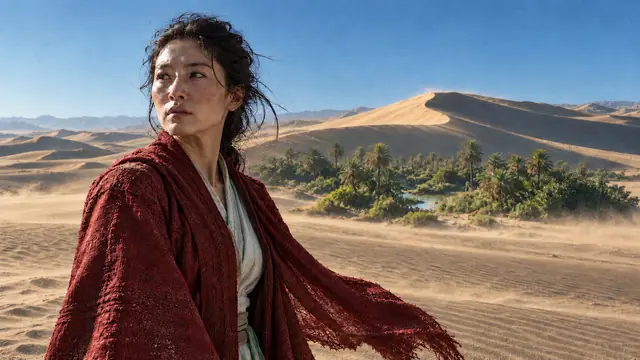
Fujifilm Superia 400
Everyday Japanese-snapshot look with greenish shadows.

Fujifilm Pro 400H
Airy cyan-green pastels with bright clean highlights.
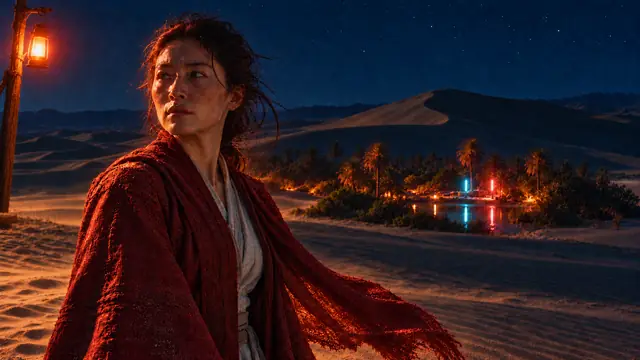
CineStill 800T
Night neon with red halation around highlights.
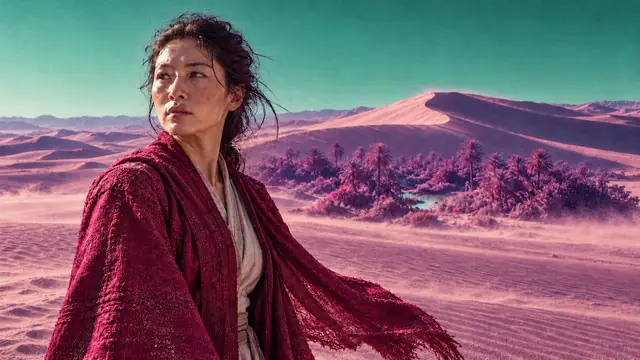
LomoChrome Purple
Surreal colour: greens turn purple, blues turn green.
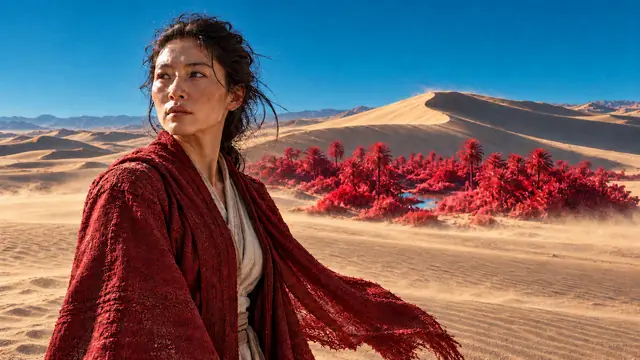
Kodak Aerochrome infrared
Colour infrared: foliage turns red and pink.
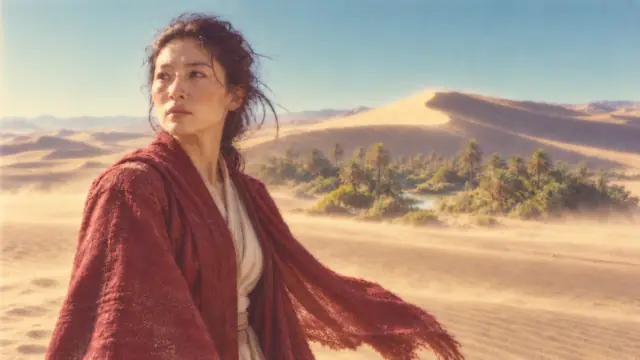
Polaroid instant film
Instant film with faded colour, soft focus and low contrast.

VHS tapeVHS
The analogue look of 1980s–90s home video tape.
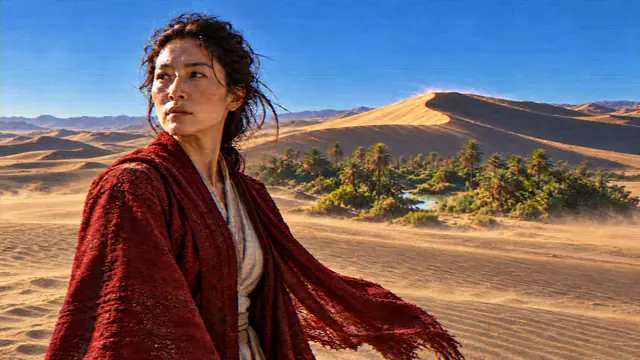
1990s broadcast SD video
Standard-definition, interlaced, oversharpened broadcast video.

DV / Hi8 camcorderDV
The blown highlights and sharpening of 2000s camcorders.
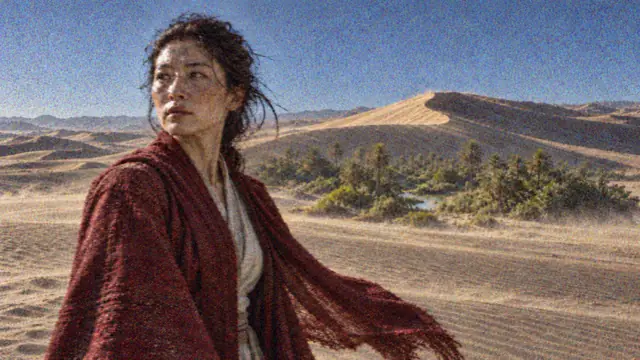
CCTV footageCCTV
Desaturated, noisy security-camera footage.

Early-2000s CCD cameraCCD
Direct flash, cool and saturated millennium digital look.
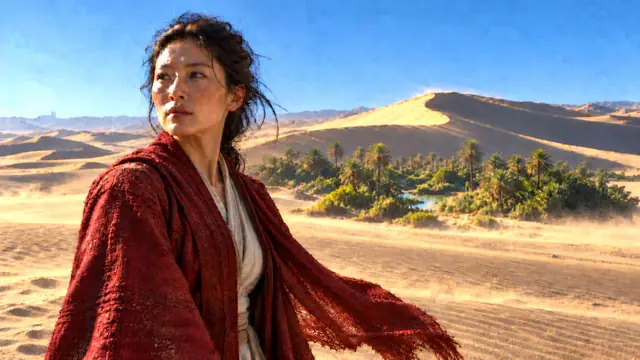
Early phone camera
Low-resolution, blocky old phone footage.
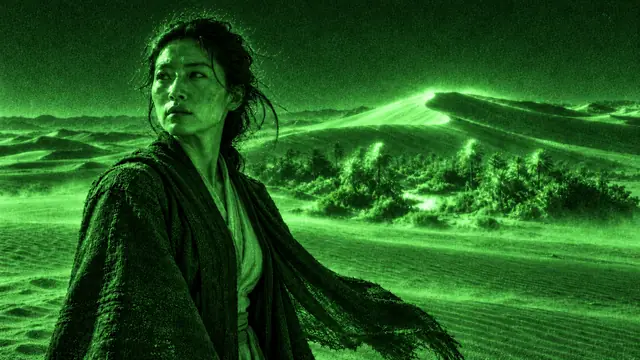
Night vision
Green monochrome, noisy night-vision footage.
Film process
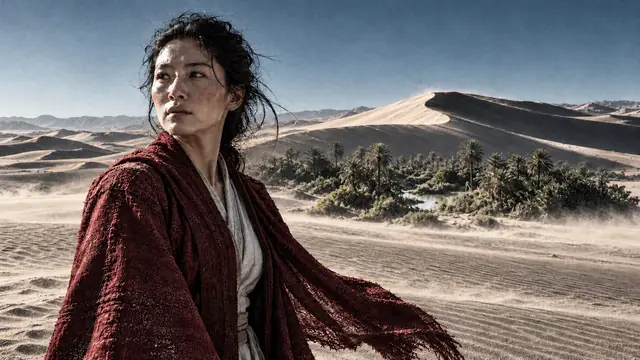
Bleach bypass
Desaturated, silvery, grainy and harsh.
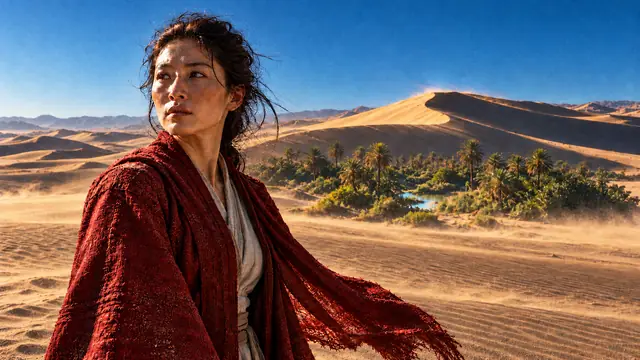
Push processing
More grain and contrast, harder shadows.

Cross processing
Shifted colours and high contrast with an experimental feel.

Two-strip Technicolor
Early colour film with only red and cyan-green.
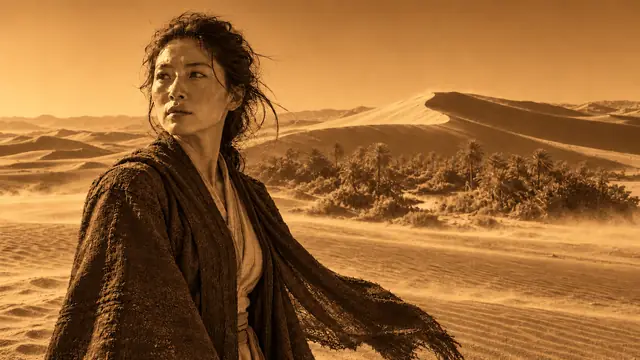
Silent-film tinting
A monochrome image tinted amber or blue, silent-film style.
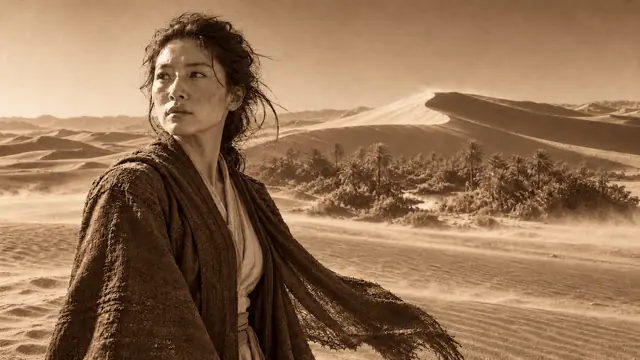
Sepia tone
Warm brown monochrome, like an antique photograph.

Expired film
Faded, colour-shifted, with occasional light leaks.

Damaged film print
An old print with scratches, dust and flicker.
Combinations Rolin checks for you
Some settings contradict each other, like an overhead camera that looks up. Rolin checks these combinations in shot design and generation: hard conflicts are fixed automatically, soft ones are flagged.
- Auto-fixed
An overhead camera can only look down
Rolin will: Angle → High angle - Auto-fixed
A ground-level camera cannot look down
Rolin will: Angle → Level - Auto-fixed
A top-down shot needs an overhead or high camera
Rolin will: Camera height → Overhead - Auto-fixed
A POV shot cannot be framed over the shoulder
Rolin will: clear Framing - Auto-fixed
A tripod can only pan, tilt, zoom or stay static
Rolin will: Support → Dolly - Warning
A slider or dolly cannot crane, pedestal or orbit
- Auto-fixed
An aerial platform has no ground rig
Rolin will: clear Support - Auto-fixed
A macro lens only fits close-ups
Rolin will: clear Lens - Auto-fixed
Negative space needs a small subject, not a close-up
Rolin will: clear Composition - Warning
Frame-within-frame or layered depth is lost in an extreme close-up
- Auto-fixed
A silhouette has no frontal key light
Rolin will: clear key light direction - Auto-fixed
A silhouette has no fill light
Rolin will: clear fill light - Warning
Golden hour calls for a warm colour temperature (about 3200K)
- Warning
Blue hour calls for a cool colour temperature (7000K or more)
- Warning
Volumetric lighting is selected but volumetric light is 0%
- Auto-fixed
Shallow focus or bokeh needs a wide aperture (f/2.8 or wider)
Rolin will: set aperture to f/2.8 - Auto-fixed
Deep focus needs a small aperture (f/8 or smaller)
Rolin will: set aperture to f/8 - Auto-fixed
The lens technique focal length differs from the capture focal length
Rolin will: match focal length to lens focal length - Warning
A whip pan usually lasts a second or two
- Warning
A Dutch angle breaks symmetrical framing
- Auto-fixed
Handheld rigs cannot crane or pedestal
Rolin will: Support → Jib - Auto-fixed
Digital, video and instant media have no film format
Rolin will: clear Film format - Auto-fixed
Digital and video media have no film processing
Rolin will: clear Film process - Auto-fixed
Black-and-white stock cannot take a colour process (two-strip Technicolor / cross processing)
Rolin will: clear Film process - Warning
Clean digital means no film look; it contradicts film grain or halation
- Warning
A black-and-white image loses neon, golden-hour or blue-hour colour
- Warning
Sepia and silent-film tinting are monochrome and lose neon, golden-hour or blue-hour colour
- Warning
Daylight stock turns orange under tungsten light
- Warning
Tungsten stock turns blue in daylight